,_male_(54087654925).jpg)
The Blitz's Unlikely Tenant
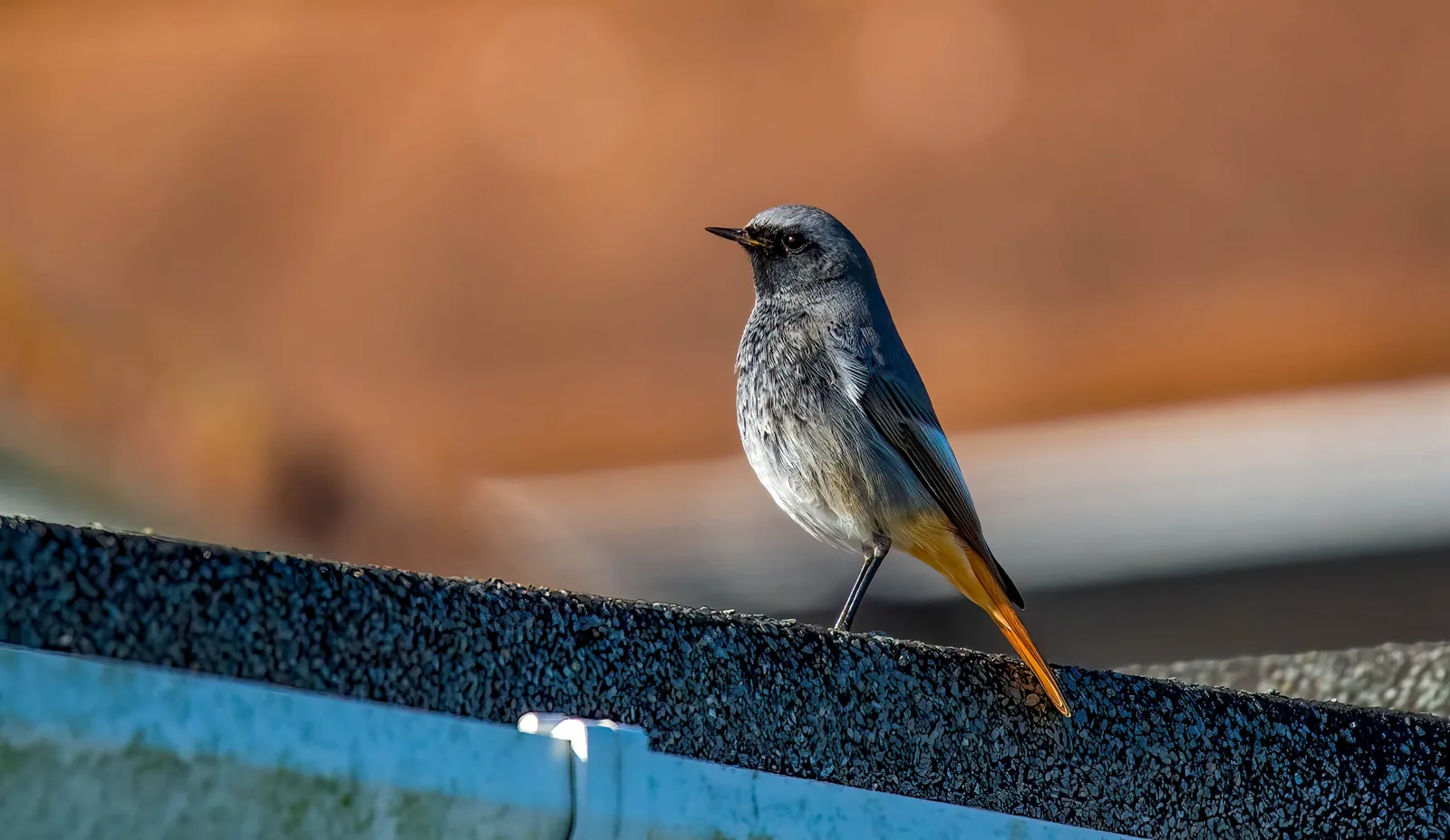
The Black Redstart is a mountain bird that has learned to sing from scaffolding. Across Europe it nests on stony slopes and cathedral roofs. In Britain it is one of the rarest breeding birds, with a few dozen pairs clinging on along the Thames and Lea wharves. How it got here is a story about war.
The Blitz Made Room
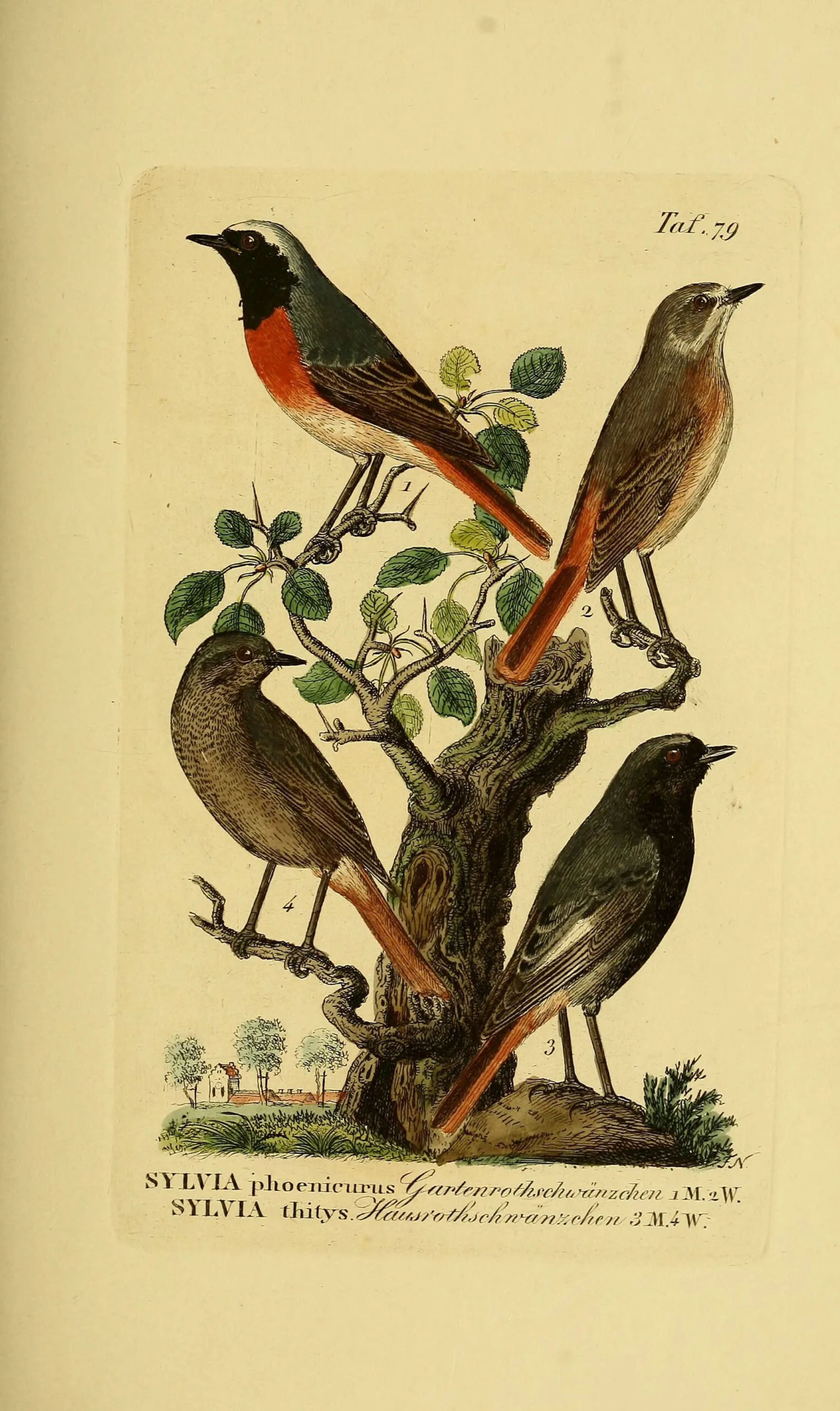
In German the bird has long been called the Hausrotschwanz, which means “house red-tail.” The name fits. The species naturally nests on stony mountainsides and cliffs, and for centuries rural Germans watched it hop along old walls and gable ends as if the stonework were just a smaller version of the mountain. To this bird, a house wall is a cliff.
Britain was a harder sell. The Black Redstart first nested here in the 1920s, but only a handful of pairs settled, and the population stayed tiny for years. Everything changed in the autumn of 1940, when the Luftwaffe, Nazi Germany’s air force, began bombing central London. The Blitz left thousands of derelict acres studded with broken brickwork and slow-growing buddleia, the kind of rough stony ground the redstart had been nesting on all along. To a mountain bird, it looked like paradise.
Richard Fitter, who was tracking the colonisation for the British Trust for Ornithology, published a formal Report of the Black Redstart Inquiry in British Birds in 1945. The London Natural History Society was at the same time running its own bombed-sites survey through the late 1940s. Within a few years the bird had a nickname that stuck: “the bomb-site bird.”
The population today is still small. The BTO puts it at around 58 breeding pairs, and the species is listed on Schedule 1 of the Wildlife and Countryside Act 1981. Its next threat is not the Luftwaffe but the cranes. The brownfield wharves on the Thames and Lea, the habitat that Fitter’s crumbling warehouses eventually became, are exactly where London developers most want to build.
The Song on the Scaffolding
If you wake up near Tate Modern or King’s Cross between March and July, and a bird starts singing before the traffic kicks in, the redstart is a reasonable guess. The song opens with clear whistles, then drops into a grinding sound the Wildlife Trusts compare to gravel being crunched. The ornithologist Mark Avery once spent a pre-dawn hour listening to one from the roof of King’s Cross station.
The bird’s British life rests on an uncomfortable alliance with war and neglect. It lives in the cracks. Every time a warehouse becomes a tower, this particular red tail has to find a rougher edge.
Sources:
- BTO: Black Redstart BirdFacts
- BTO / British Birds: Fitter, R.S.R. (1945), Report of the Black Redstart Inquiry for 1944
- RSPB: Black Redstart
- The Wildlife Trusts: Black Redstart species profile
- Wikipedia: Black Redstart (taxonomy, etymology, range)
- London Natural History Society: LNHS History, including post-war bombed-sites survey
- London Biodiversity Partnership: Black Redstart Species Action Plan
- Mark Avery: Bird Song 22: Black Redstart