.jpg)
The Dancer With Three Names
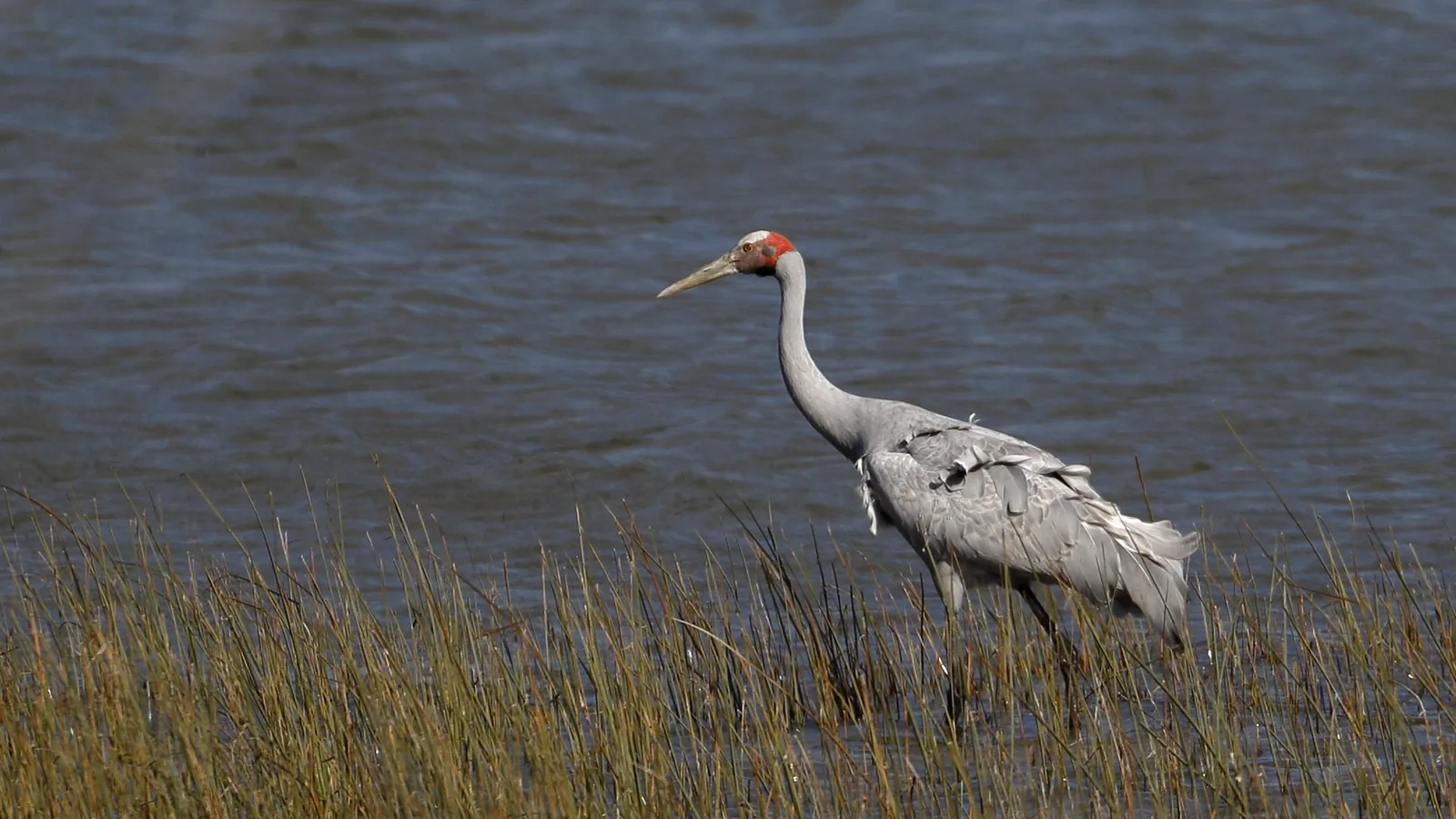
Wake up near a floodplain in northern Queensland and the sound coming through the window is a trumpet rather than a song. It belongs to the brolga, one of Australia’s two cranes, and a bird famous for dancing. Almost everything people assume about that dance turns out to be wrong.
The Dance Is Not a Proposal
It opens with a bird picking up a clump of grass, tossing it into the air and catching it again in its bill. Then it leaps a metre straight up with its wings outstretched, and follows with a long bout of bowing and head-bobbing. Sometimes one bird performs the whole routine alone. Sometimes a dozen line up roughly opposite one another and go at once.
The timing gives it away. File crane dancing under courtship and you would expect it in spring, from adults with something to prove. Instead, both BirdLife Australia and the Australian Museum record that displays “may be given at any time of the year and by birds of any age.” Chicks do it. Birds with no mate do it. Courtship is only part of the answer.
Three Names for One Bird
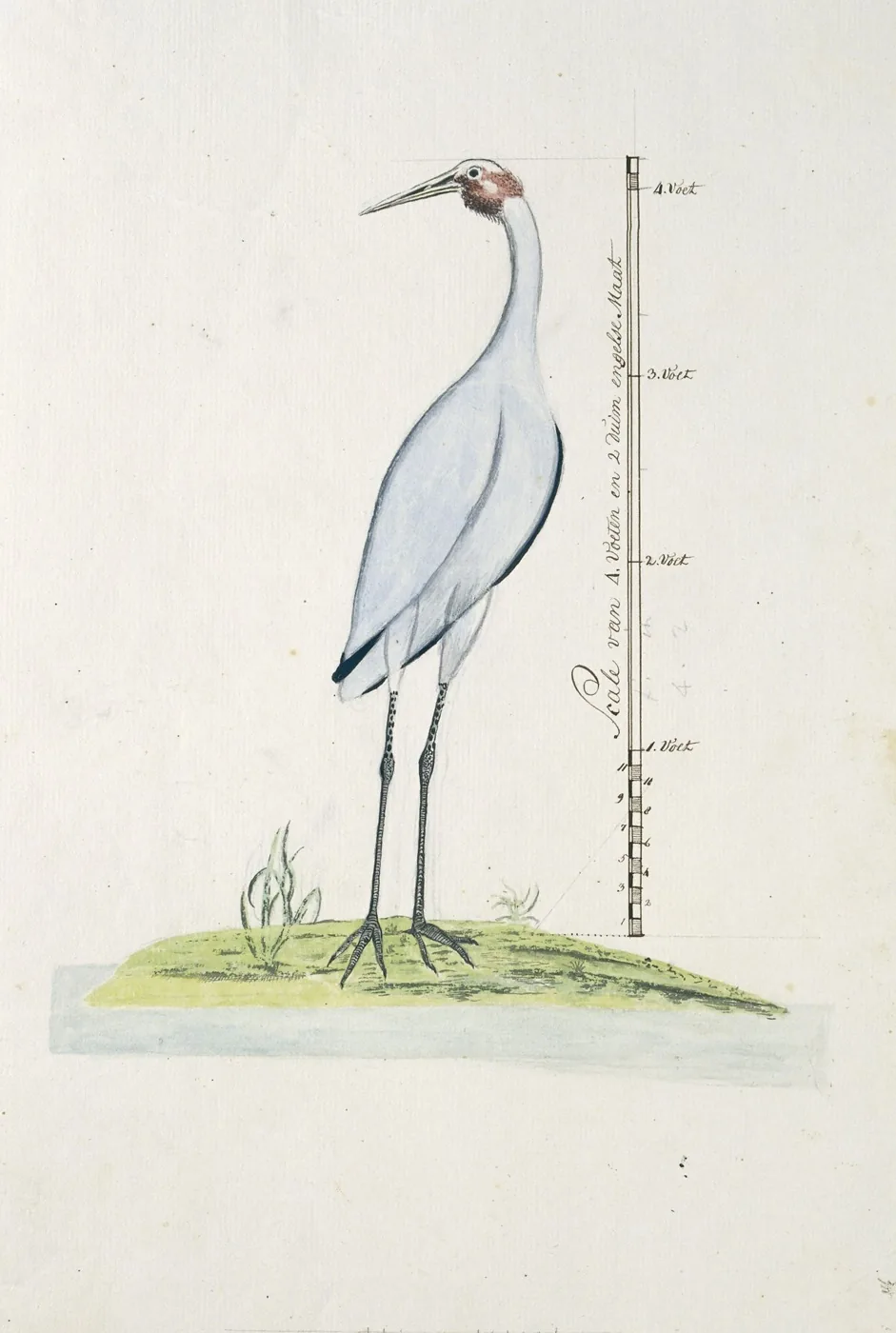
Early colonists called it the native companion. In 1865 the ornithologist John Gould, writing his Handbook to the Birds of Australia, went with Australian crane. Neither name lasted.
The one that stuck came from the Gamilaraay language of northern New South Wales, where the bird is burralga. The Royal Australasian Ornithologists Union adopted the anglicised brolga as the official name in 1926, and the settlers’ two attempts quietly dropped out of use. Queensland went further. The brolga has appeared on the state Coat of Arms since 1977, and in January 1986 it was declared the state’s bird emblem.
The Duet That Tells Them Apart
Male and female brolgas look alike. Females run slightly smaller, which is no help when the bird is a hundred metres out in a marsh. The voice settles it instead.
A bonded pair performs what crane biologists call a unison call, a duet that strengthens the bond and claims the territory. The female begins it, wings folded and beak pointed at the sky, with a run of trumpeting notes. The male answers alongside her in the same posture, but with his wings flared and his primaries drooping, and he gives one long call for every two of hers. That flare is the tell. It is the only moment when the sexes can be told apart with any confidence.
The call itself gets written down as a loud trumpeting “garooo”, or at length as “kaweee-kreee-kurr-kurr-kurr-kurr-kurr-kurr”. It carries a long way over open country, which is why it reaches the window before the bird does.
So the dancing is not really a proposal and the trumpeting is not really a song. Both are two grey birds keeping track of each other across a floodplain, in a language settled long before anyone could agree what to call them.
Sources:
- BirdLife Australia: Brolga species profile
- Australian Museum: Brolga
- International Crane Foundation: Brolga species field guide
- Queensland Government: Queensland’s colour, floral, bird and animal emblems
- Wiktionary: brolga (etymology, from Gamilaraay burralga)
- Wikipedia: Brolga
- Rijksmuseum: Antigone rubicunda (Australische Brolga), RP-T-1914-17-315
,_RP-T-1914-17-315.jpg)