.jpg)
The Bird Worth a Penny Dead
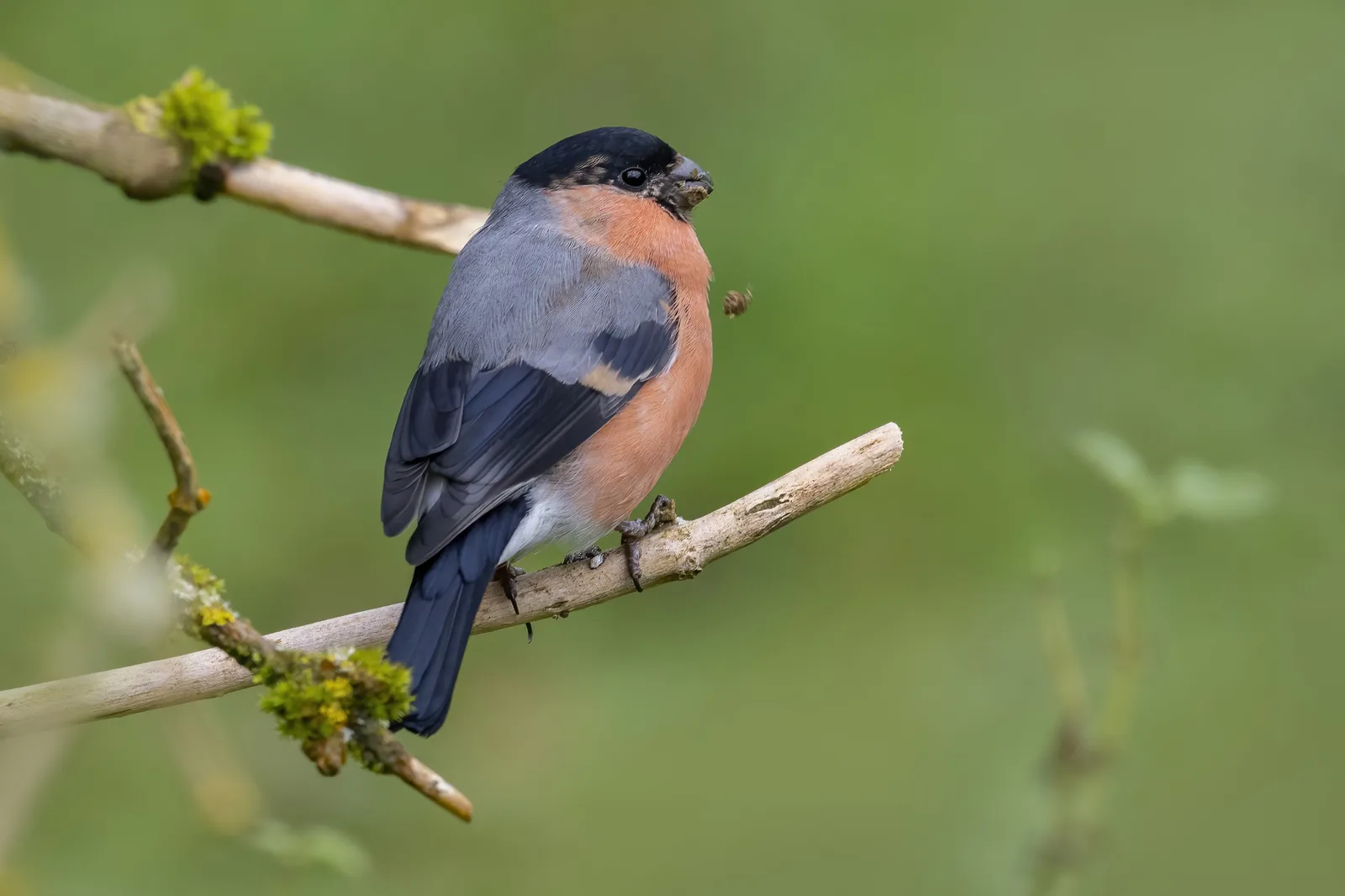
The bullfinch’s call is one of the softest sounds in a hedgerow. A flat low pew every three or four seconds, as the bird moves through cover. Field guides land on the same word for it: mournful. Listening to it on the Bird Rise app, you would not guess the bird had a price on its head in English law for centuries.
A Penny a Head, for Centuries
The 1566 Vermin Act named the bullfinch and set a bounty paid by the head. Wikipedia summarises what followed in one flat sentence: “in England, for centuries every parish paid a bounty for every bullfinch killed.” The reason was one specific habit. In late winter and early spring, before the year’s seeds are out, the bullfinch strips the flower buds off fruit trees. A small flock can take a plum or pear orchard into the next season with no crop on it. The Greek genus name Pyrrhula means “flame-coloured”, after the male’s rose breast. The bounty was paid for the bill.
The complaint was not abstract. In 1895, the Northamptonshire peer Lord Lilford described the bullfinch coming “into our kitchen-gardens and orchards” at the approach of spring and committing “great ravages on the early buds of the gooseberry and other fruits.”
Why It Went for the Buds
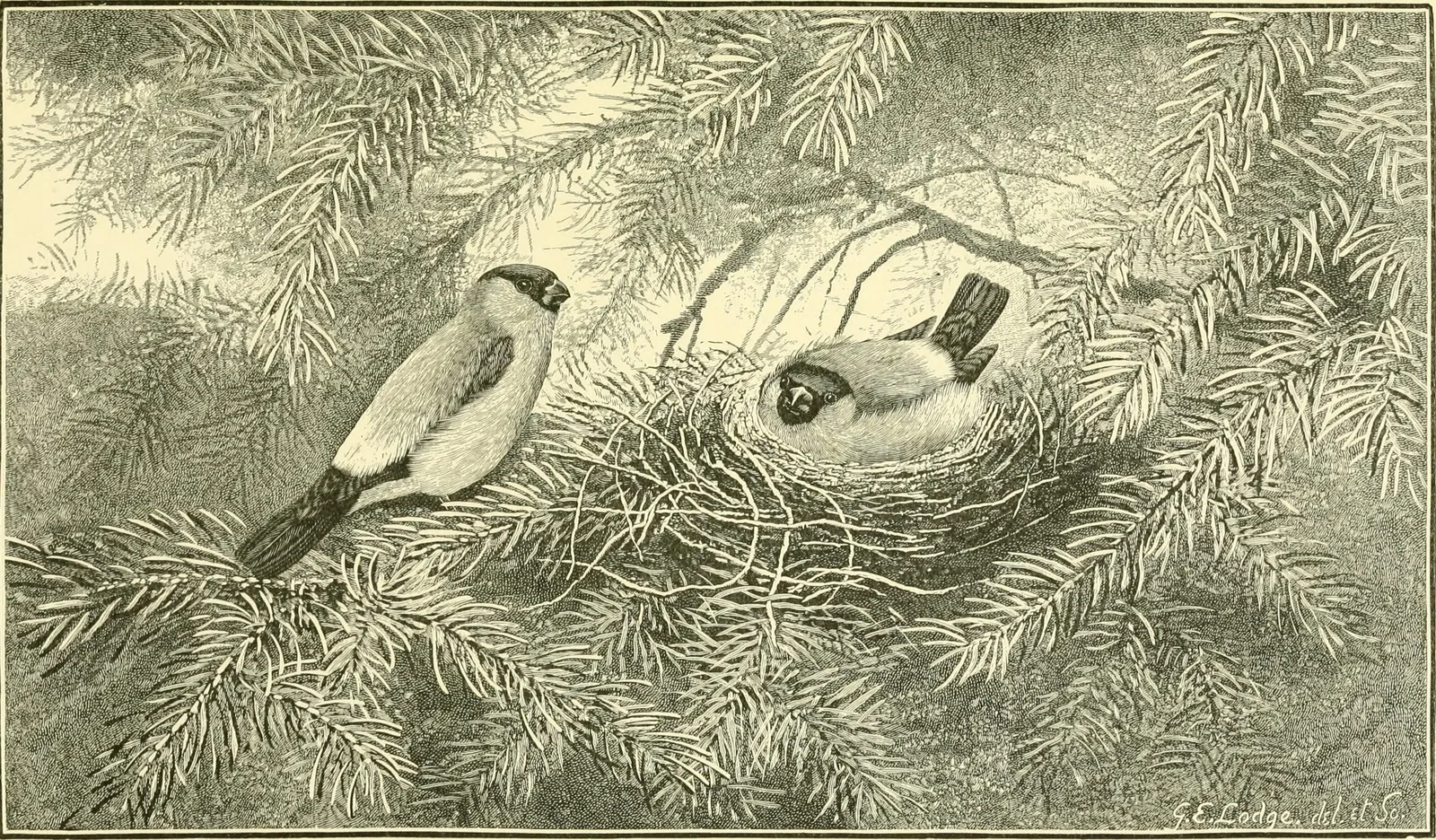
Most British finches feed insects to their chicks. Bullfinches do not. They are carduelines, the finch branch that feeds regurgitated seed mush to nestlings rather than insects. That diet has a hungry gap in late winter, when last year’s seeds run out before this year’s set, and the bullfinch fills it with buds.
From Bounty to Amber List
The British Trust for Ornithology now records a 51% drop in the bullfinch’s BBS index between 1967 and 2023, with the steepest losses on farmland. The bird sits on the UK Amber List, downgraded from Red in 2009. Wikipedia attributes the decline to loss of orchards and woodlands. The pest of Tudor parish accounts has become a flag for what fruit-poor England now lacks.
Listen carefully and the call is unchanged. A flat low pew every three or four seconds, as the bird moves through cover. The accounts have closed; the bird is still there.
Sources:
- Wikipedia: Eurasian bullfinch
- British Trust for Ornithology: BirdFacts: Bullfinch
- RSPB: Bullfinch
- John Moore Museum: Off with their Heads
- Lord Lilford (1895): Notes on the Birds of Northamptonshire and Neighbourhood, vol. 1
- Wikipedia: Cardueline finch