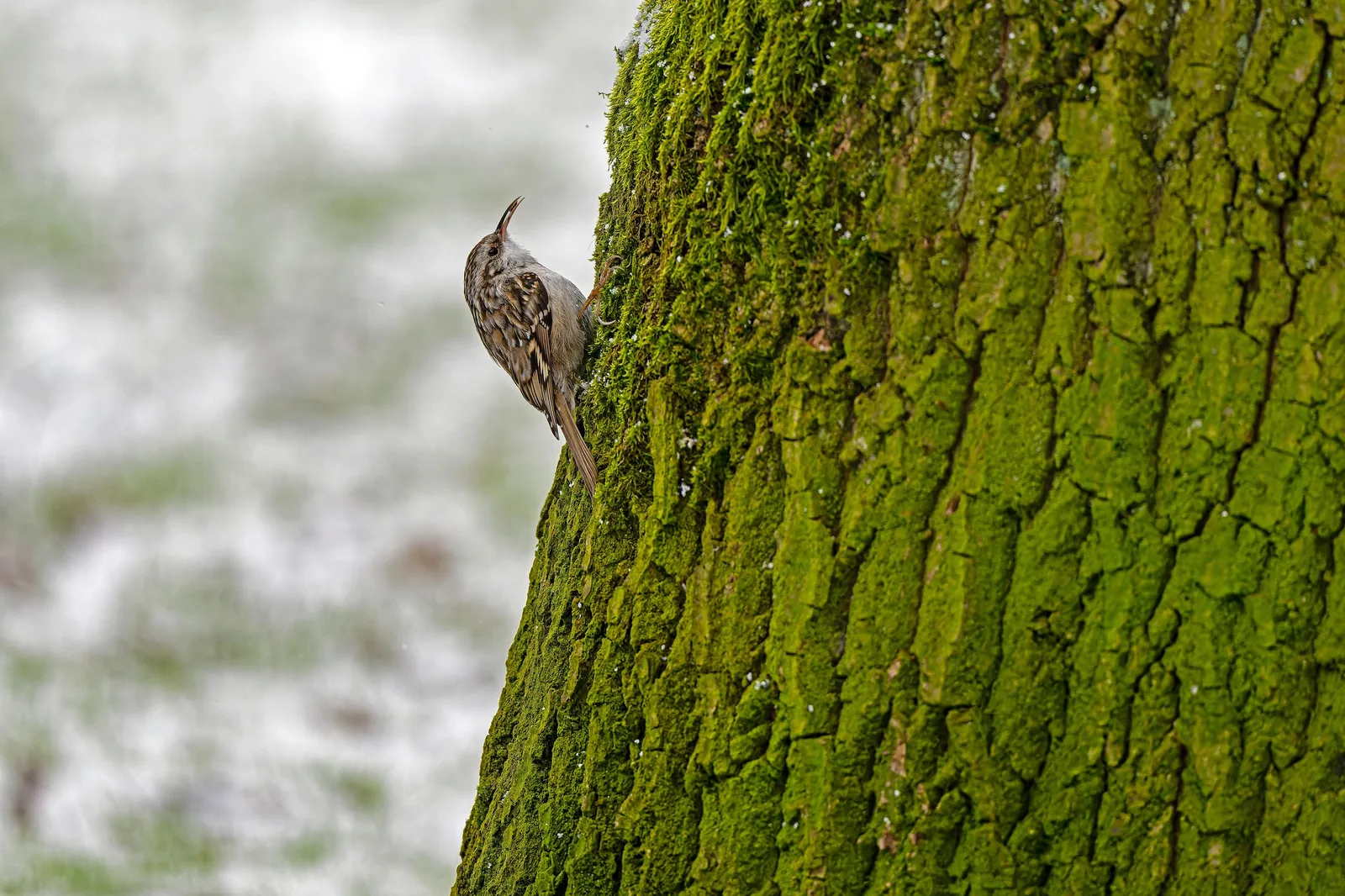
The Sequoia's Smallest Tenant
A Eurasian Treecreeper weighs about ten grams, lighter than a AAA battery. The plumage is brown spotted with cream, the colour of the bark it spends its life on, and the bill curves down into the cracks where small spiders hide. Once it lands at the base of a tree the bird works upward in tight jerking spirals. It does not, unlike a nuthatch, ever climb back down. When it reaches the top it flies to the foot of the next trunk and starts again. In the English West Country it is the Tree Mouse; the Welsh call it Dringwr Bach, “little climber.”
A Californian Tree, A British Bird’s New Bedroom
In 1853 the giant sequoia, native to a few high groves in California, arrived in Britain as ornamental seed. Wealthy Victorian landowners planted the seedlings on country estates because the species was marketed as the biggest tree in the world. The horticulturists called it Wellingtonia, in honour of the Duke who had died the year before. The Treecreeper, a tiny native bird with no obvious connection to anything from California, found something useful in them.
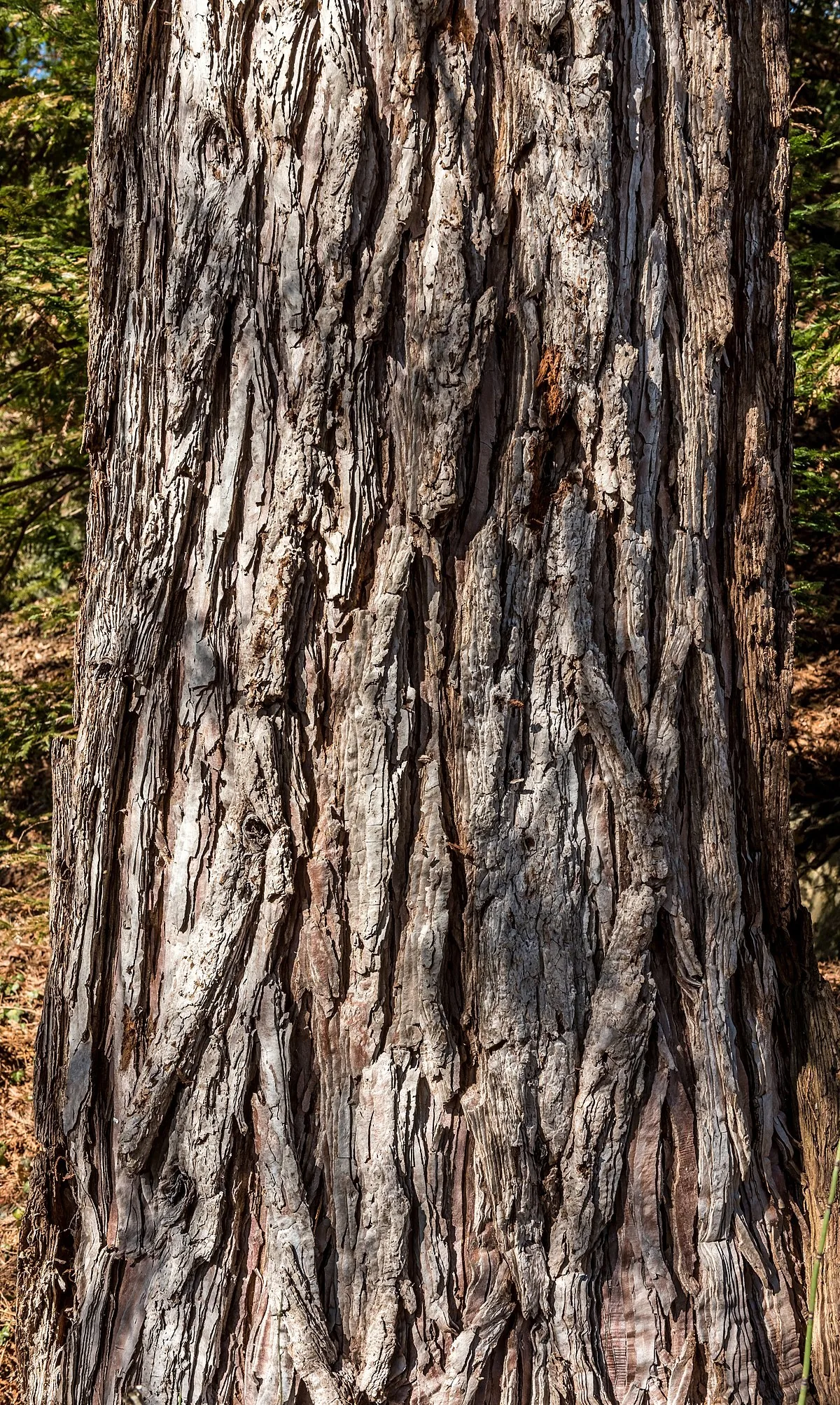
The Wellingtonia’s bark is bright red-brown and astonishingly soft, with deep fibrous furrows. A Treecreeper can dig a shallow oval cavity in it with that same curved bill, usually on the north-east side of the trunk, away from the prevailing wind. The habit was recorded across Britain by the early twentieth century. Many Victorian arboreta with Wellingtonias still show lower trunks pocked with thumb-sized scoops where birds have spent the night. In a hard cold snap, twelve Treecreepers or more will pile into one cavity to share heat.
The First Voice You Lose
The Treecreeper sings at around 7 kHz, near the top of the human hearing range. The British ornithologist Mike Toms, writing for the British Trust for Ornithology, notes that the call’s “high pitch means that this is one bird call that is soon lost to the human ear, as the ability to discern higher frequencies is lost with age.” For many people in their fifties and beyond the Treecreeper is among the first voices that disappear on a woodland walk while every other bird still sings clearly.
If the Bird Rise app plays a Eurasian Treecreeper, the recording is one of the highest-pitched things on the morning playlist. The bird is somewhere in a Welsh oak or a Polish pine forest or a Scottish estate full of sequoias, climbing one trunk after another, only ever going up.
Sources:
- Wikipedia: Eurasian treecreeper
- Wikipedia: Certhia
- Wikipedia: Sequoiadendron giganteum
- British Trust for Ornithology, Bird Table (Summer 2013), Mike Toms: Treecreeper species focus
- Cheshire and Wirral Bird Atlas: Treecreeper (wintering)
- Wild Echoes, Caroline Adams: Eurasian and Short-toed Treecreepers
- Earbirding, Nathan Pieplow: Hearing Loss and Bird Sounds