
A Hurricane Forecast in a Thrush's Nest
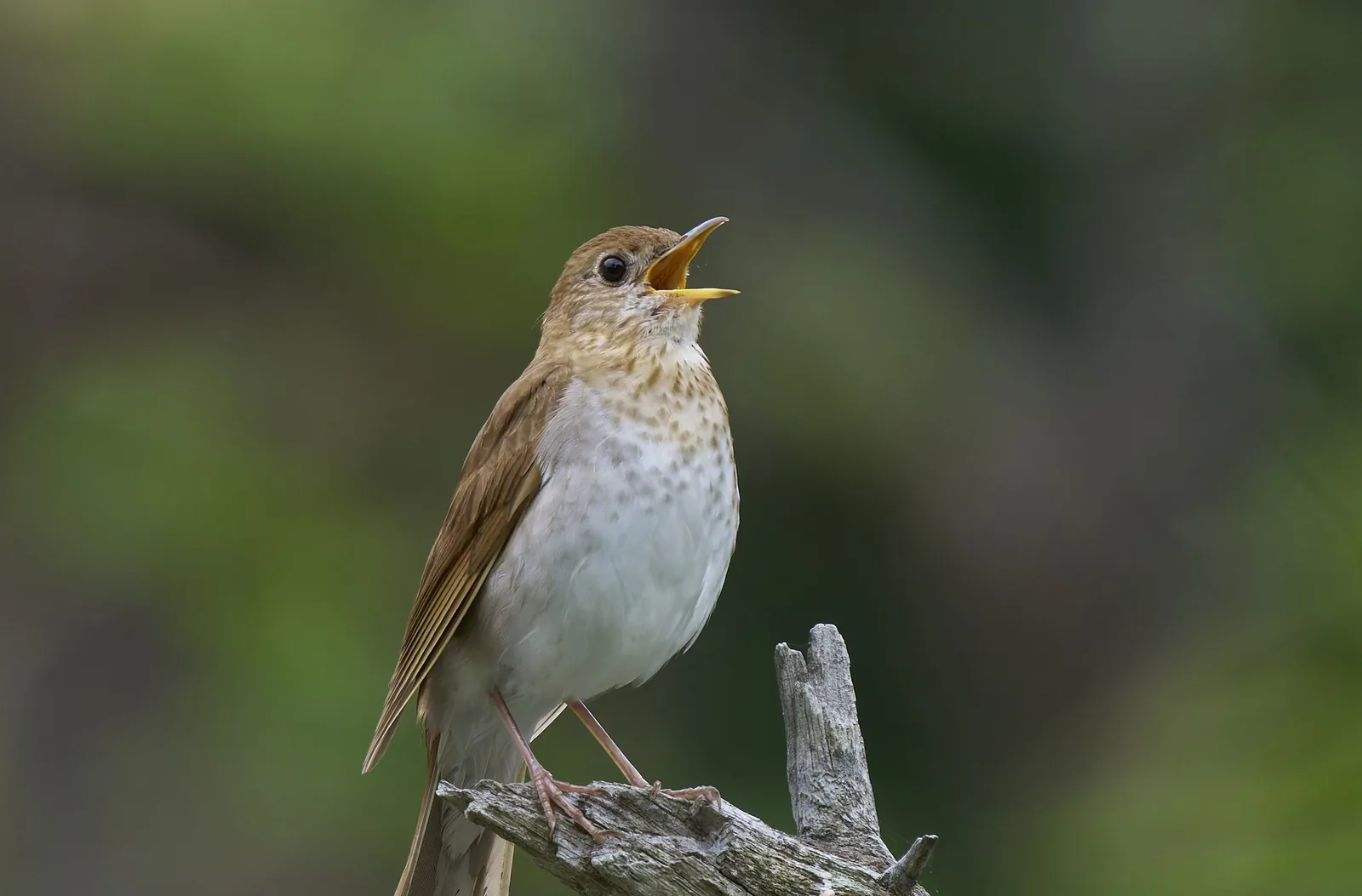
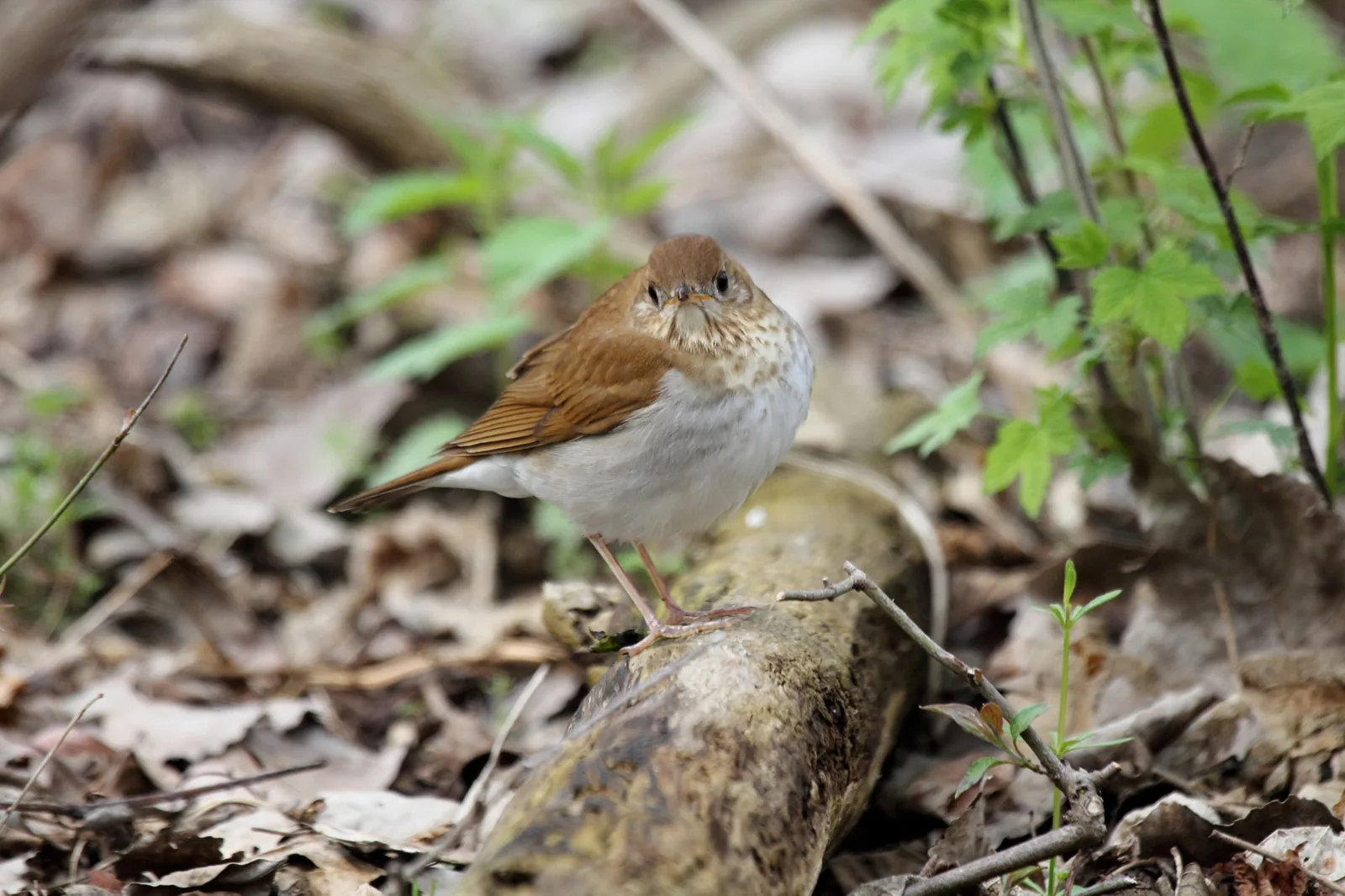
The Veery is a small, cinnamon-brown thrush that spends much of its time hopping through the forest floor. Its song is a soft, reedy spiral of notes that seems to fall away as you listen. If you wake up near damp, leafy woods in the northern United States or southern Canada in early summer, that spiraling song at dawn or dusk may be a Veery.
A Bird That Reads the Storm Season
For more than two decades, the ecologist Christopher Heckscher of Delaware State University followed Veeries nesting at White Clay Creek State Park in Delaware. He noticed that in some years, females that lost their nests gave up on trying again much earlier than in others.
In a 2018 study covering 1998 to 2016, he compared those nesting seasons with the Atlantic hurricanes that followed. In years before an active hurricane season, Veeries laid larger clutches on average and ended their nesting season earlier. Their May and June nesting was as good a predictor of major hurricanes as the early-season forecasts from leading forecasters, and sometimes better, although the forecasts could only be compared over a shorter run of years.
No one knows for sure how the birds could sense what was coming. One possibility is rainfall in the southern Amazon, where Veeries spend the winter, which shifts with the same ocean patterns that affect hurricanes. Finishing early gives the birds time to start migrating sooner, so they can wait out storms or go around them.
Storms on the Way South
A 2025 follow-up from the same study site looked at 23 years of birds returning in spring. After autumns with more severe storm activity in September, the adult females that made it back had shorter wings and were in poorer body condition.
A Long Way in a Night
The trip is a long one. Veeries spend the winter in central and southern Brazil. Tracked birds have flown up to 160 miles in a single night, at heights above 1.2 miles, and Veeries may flap without a break all night long. Their efficient wings let them take longer routes over the sea than other thrushes can manage, on fairly small stores of fat.
So when a Veery’s song spirals down through the woods on a June evening, its nesting may already reflect the storms ahead.
Sources:
- Cornell Lab of Ornithology: Veery overview, All About Birds
- Cornell Lab of Ornithology: Veery life history, All About Birds
- Scientific Reports (via PubMed Central): Heckscher (2018), A Nearctic-Neotropical Migratory Songbird’s Nesting Phenology and Clutch Size are Predictors of Accumulated Cyclone Energy
- Scientific Reports (via PubMed Central): Heckscher, Mohyuddin and Lester (2025), Severe en route tropical weather is a predictor of morphological variation and body condition of a Nearctic-Neotropical migrant