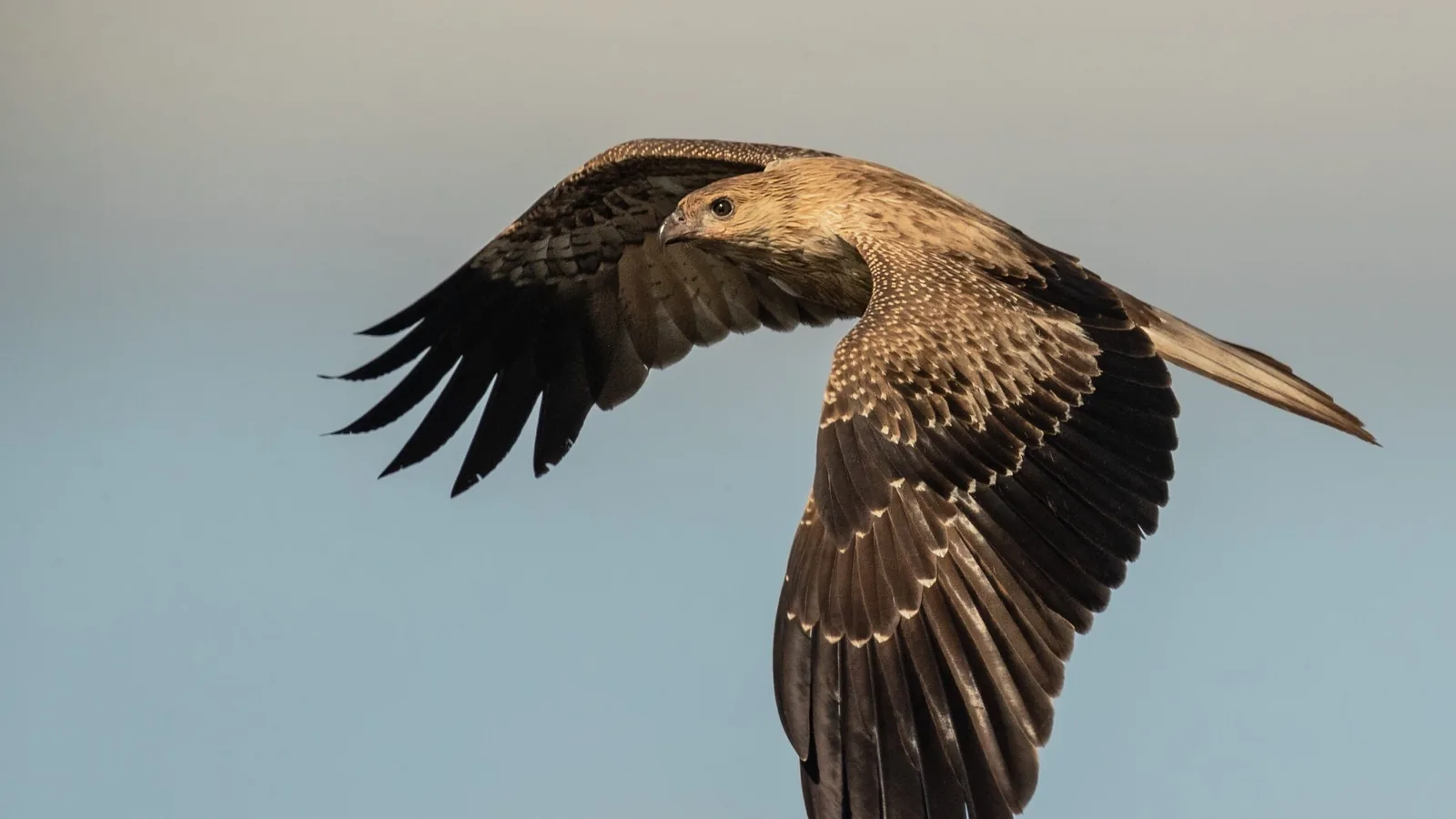

Australia's Arsonist on Wings
If you wake up near a wetland anywhere in Australia, one sound usually arrives before the bird does. A long whistle that slides down the scale, clear as a referee, then breaks into a fast scatter of rising notes. That is the Whistling Kite calling, and it is one of the most recognisable sounds in the Australian bush. What the whistle does not tell you is the bird’s other, stranger reputation: this is a raptor that has been accused, with serious evidence, of spreading fire on purpose.
The Bird That Carries Fire
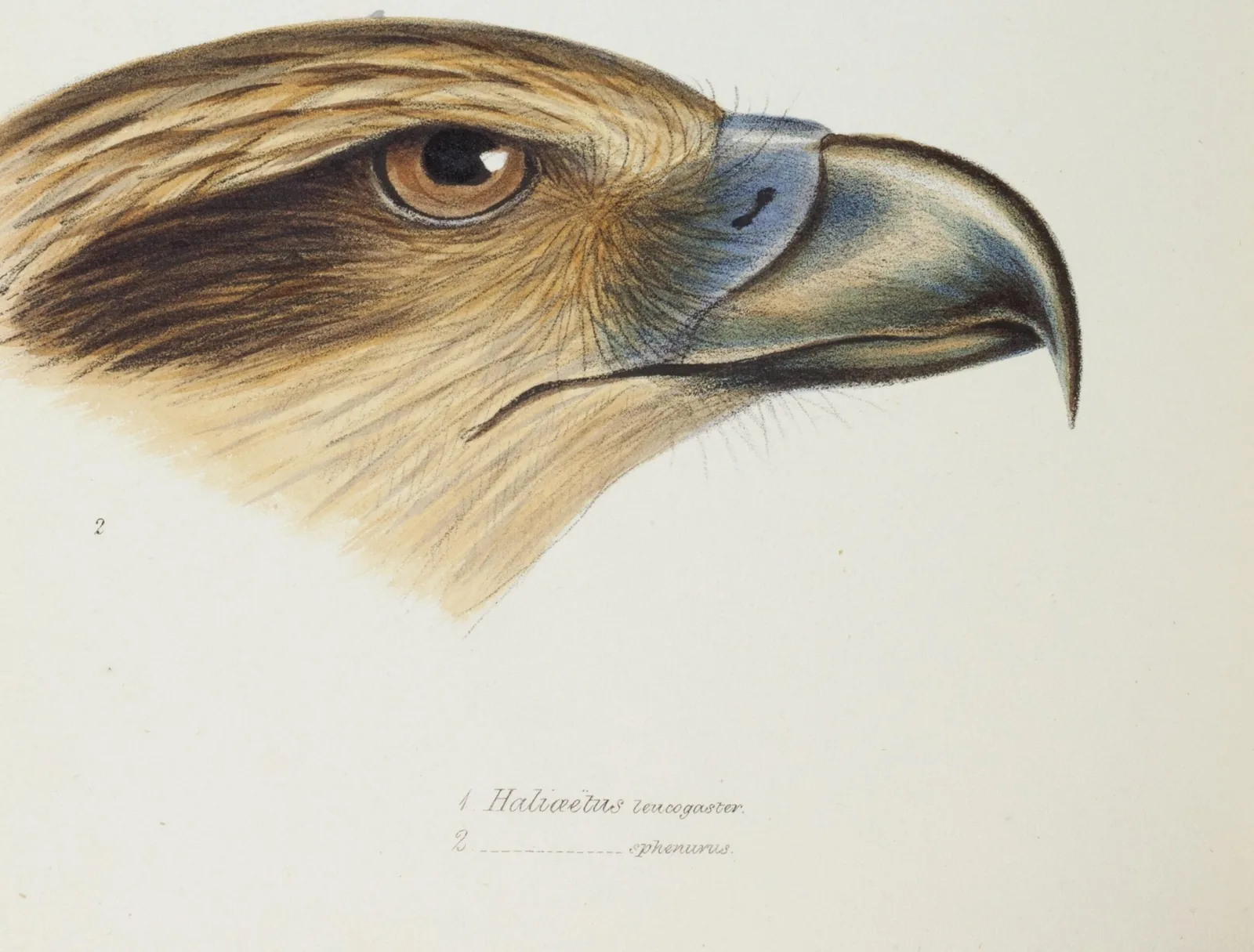
Here is where the elegant whistler gets inconvenient for anyone who likes their categories tidy. Across northern Australia, the Whistling Kite is one of three raptors, alongside the Black Kite and the Brown Falcon, that Aboriginal people have long described as fire-spreaders. The birds gather at the smoking edge of a grass fire and snatch insects and small animals as they bolt from the flames. The astonishing part is what some are reported to do next. In a 2017 study in the Journal of Ethnobiology, researchers gathered decades of Indigenous knowledge and eyewitness accounts of these raptors lifting burning sticks in their talons or beaks and dropping them onto unburnt grass, opening a fresh patch of panic to hunt. The behaviour, the authors write, is “often represented in sacred ceremonies” and is common knowledge to people in the Northern Territory.
An Opportunist With No Standards
Fire is only one trick. The Whistling Kite is, to put it gently, not a fussy eater. Its menu runs from live fish and frogs to roadkill, and it is perfectly content to let other birds do the catching first. It will harry a larger waterbird in mid-air until the victim coughs up its last meal, then swoop on the windfall. Where a highway crosses its territory, it works the asphalt for whatever the traffic leaves behind. Graceful in the air, completely unsentimental about dinner.
So that morning whistle is doing double duty. It is the signature of one of Australia’s most graceful fliers and the calling card of a bird canny enough to turn the one force most animals flee into a hunting partner. Beautiful and a little bit feral, which is a fair description of the continent that made it.
Sources:
- Wikipedia: Whistling kite
- Journal of Ethnobiology (Bonta et al. 2017): Intentional Fire-Spreading by “Firehawk” Raptors in Northern Australia
- Ausemade: Whistling Kite (Haliastur sphenurus)
- Birds in Backyards: Whistling Kite