.jpg)
The Tail Nobody Can Explain
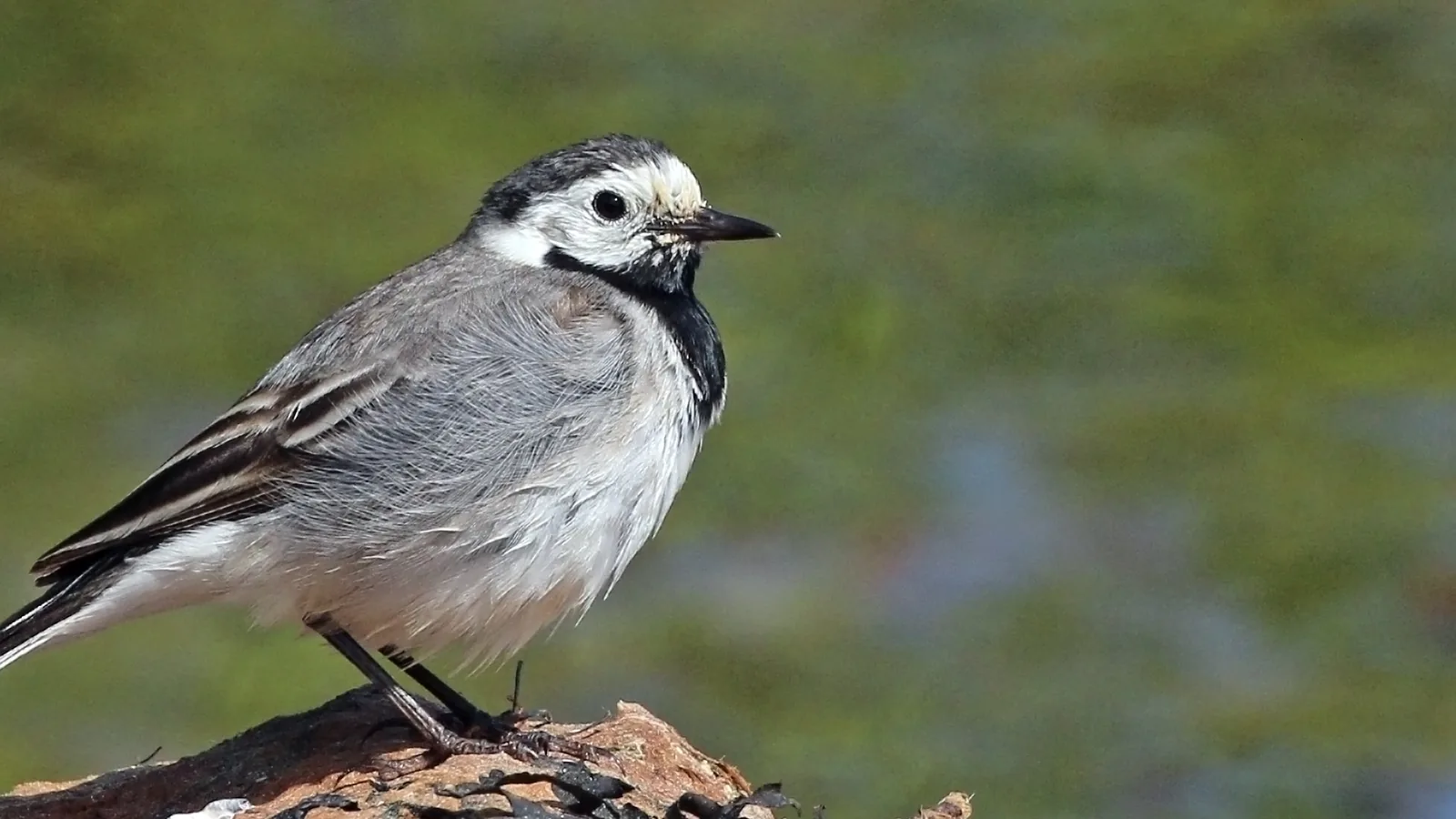
Somewhere near water this morning, a small bird in black and grey is trotting along the edge of a puddle, its tail pumping up and down as though it cannot switch the motion off. It does this almost without pause. And here is the strange part: no one is quite sure why. The White Wagtail bobs along riverbanks and car parks alike, calling a sharp chissick as it goes, that tail never still for long.
A Wag Without an Answer
The explanations on offer are surprisingly varied. One idea is that the bobbing flushes insects into the open. Another reads it as a signal to other wagtails. A study in the journal Animal Behaviour floated a third: that the wag is an honest sign of vigilance, a way of telling a watching cat or hawk that it has already been spotted and may as well not bother. None of them has won out, so the most familiar habit of one of Europe’s commonest birds stays quietly unexplained.
At Home in a Walrus Skull
Wagtails once nested in crevices near water, on riverbanks and rocky coasts. They have since decided almost any crevice will do. Nests turn up in stone walls, under bridges, alongside beaver dams, and, in one much-repeated record, inside the skull of a walrus. Spend a winter evening in Dublin and you may watch thousands pour into the city centre at dusk to roost together in the bare city-centre trees. Unusually for a small insect-eater, it keeps hunting insects right through the European winter rather than switching to seeds.
Latvia’s Hardest Worker
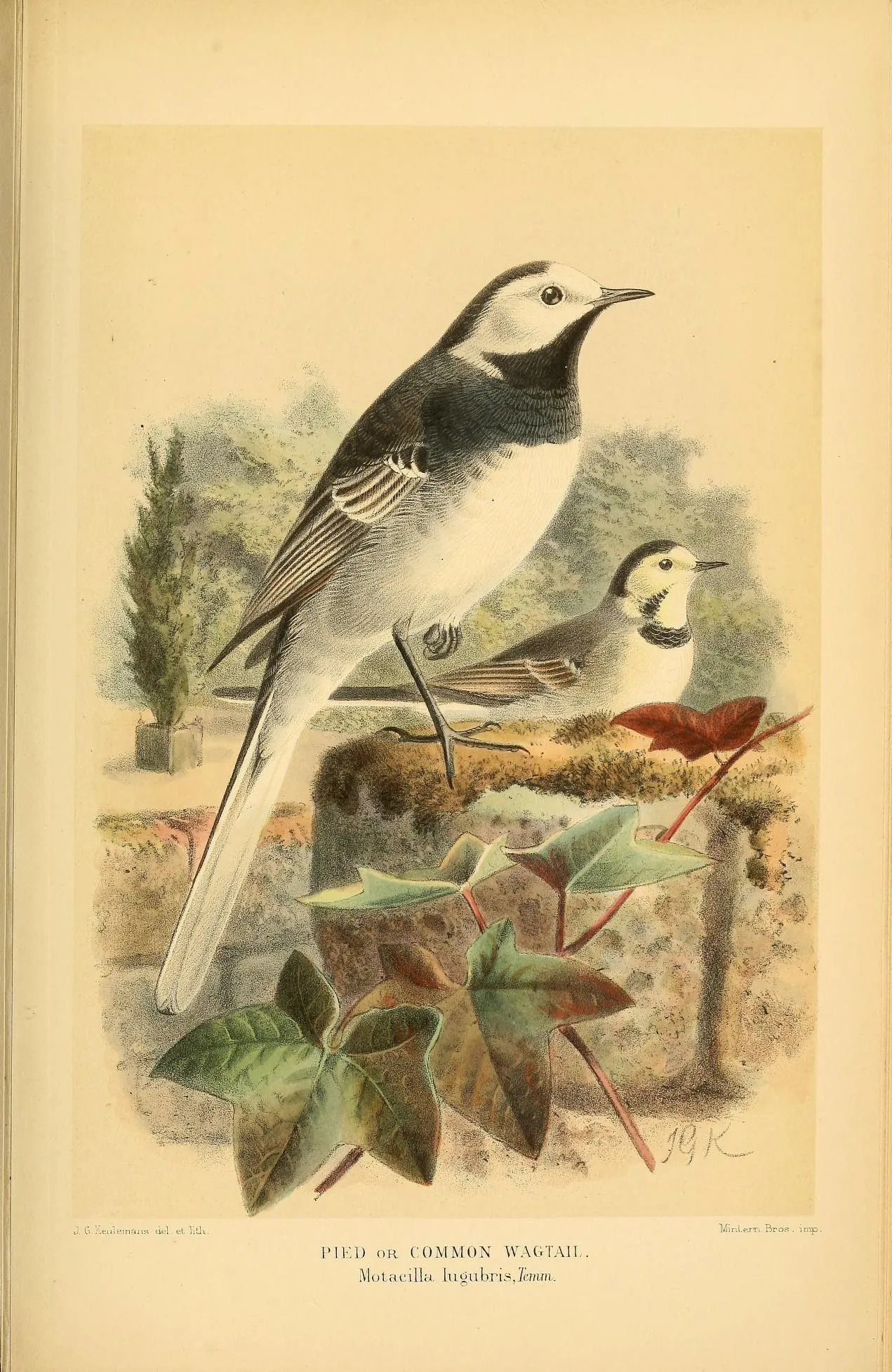
Latvia made the White Wagtail its national bird in 1960, and the choice was not random. The balta cielava turns up again and again in Latvian folk songs as an emblem of hard work and diligence, the tireless little worker forever busy at the water’s edge. In Britain it found a different admirer. John Clare, the English farm-labourer poet, watched it waddle through the farmyard mud in the 1830s and set the bird down in “Little Trotty Wagtail” almost exactly as you would still see it today:
*Little trotty wagtail he went in the rain,
And twittering, tottering sideways he ne'er got straight again.
He stooped to get a worm, and looked up to get a fly,
And then he flew away ere his feathers they were dry.*
So the next time a small bird bobs past you at a puddle’s edge, tail going like a metronome, know that you are watching a genuine puzzle. Its busiest habit is one science has not settled, and it earned a place in a nation’s songs by doing nothing grander than staying busy. Not a bad life for such a plain little bird.
Sources:
- Wikipedia: White wagtail
- Randler (2006), Animal Behaviour: Is tail wagging in white wagtails, Motacilla alba, an honest signal of vigilance?
- 10,000 Birds: What is the National Bird of Latvia?
- Wikisource (John Clare, 1873): Little Trotty Wagtail