
The Vaccine Doctor's Other Paper
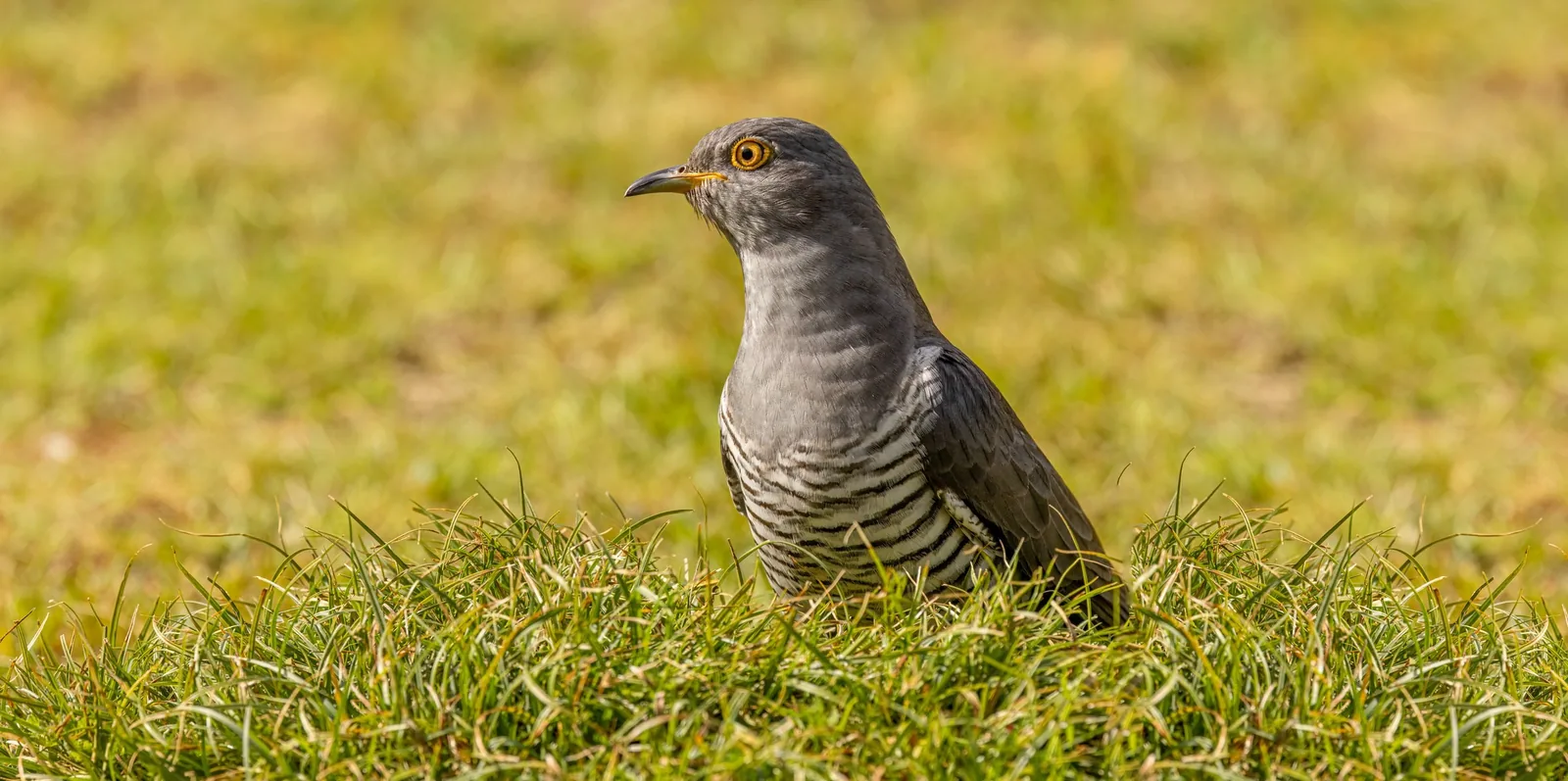
Edward Jenner is famous for inventing the smallpox vaccine in 1798. Ten years earlier, he was pulling bird nests out of bushes in Gloucestershire, trying to figure out how Common Cuckoos actually work. The paper he published in 1788 was so strange that scientific Britain refused to believe it for nearly a century.
The Hollow on the Back
Jenner found that the adult cuckoo does almost nothing. She lays a single egg in a host’s nest and flies away. The real work is left to the chick.
A newly hatched cuckoo is blind, and has a shallow hollow between its shoulder blades. The hollow lasts about twelve days before filling in. During that window, the chick wedges itself under each host egg and shoves it over the rim of the nest. By the time the parents return, the nest holds only cuckoo.
Jenner published “Observations on the Natural History of the Cuckoo” in Philosophical Transactions in 1788. The Royal Society made him a Fellow that year. Most British naturalists thought he was making it up. In 1871, Scottish artist Jemima Blackburn watched an eviction in a meadow-pipit nest and drew it from life. Her drawing convinced Darwin to revise On the Origin of Species.
What the Mothers Pass Down
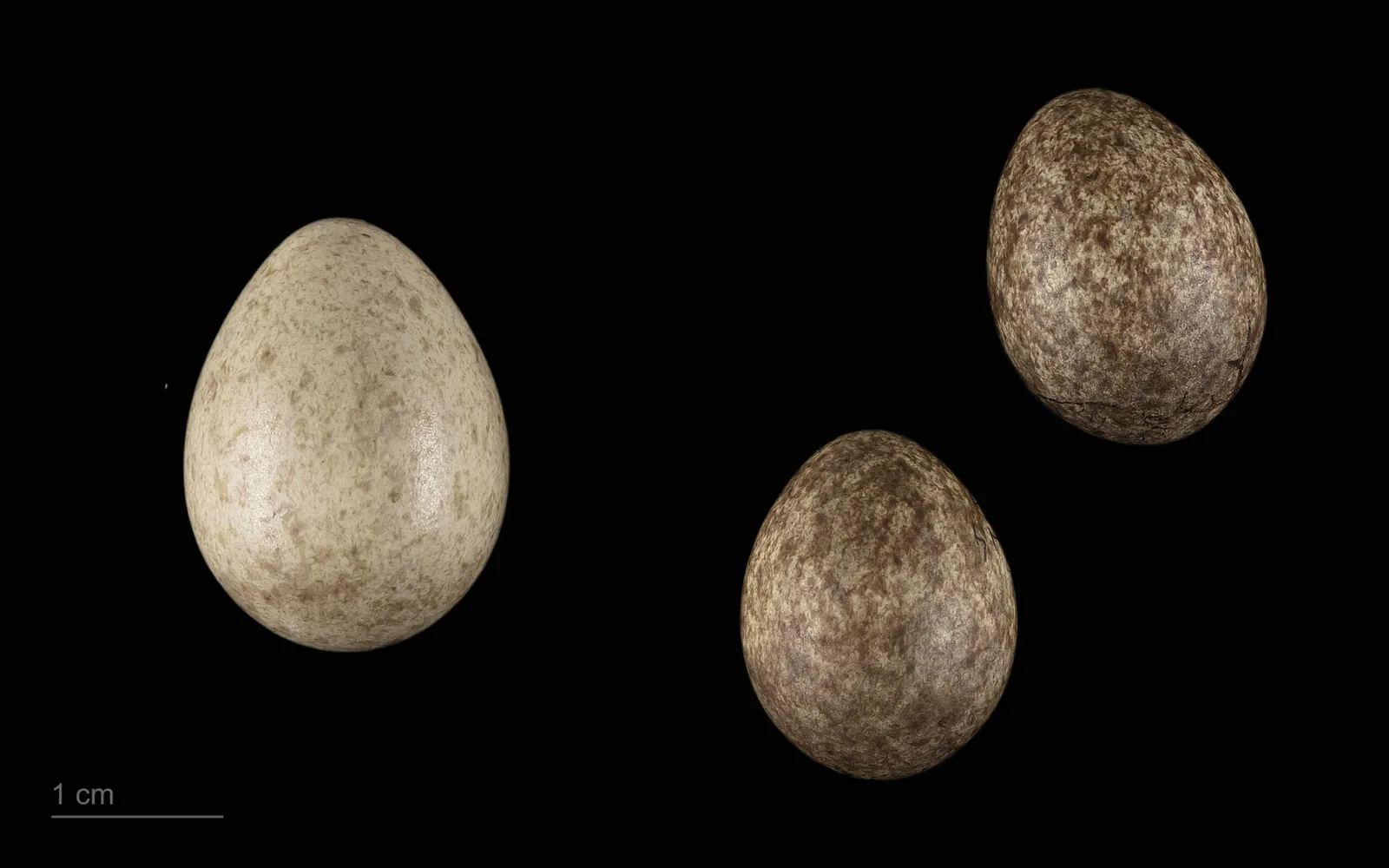
Jenner missed a second trick. Female cuckoos divide into lineages called “gentes”. Each gens locks onto one host species and mimics its eggs. A reed-warbler gens lays greenish eggs. A meadow-pipit gens lays brown-speckled ones. The gene for egg-colour sits on a chromosome only female cuckoos carry, so a daughter inherits her mother’s host-match and no one else’s.
One host seems to have figured nothing out. Cuckoos that target the Dunnock do not bother matching at all. Their eggs are plain white with rust flecks, nothing like the dunnock’s unmarked blue clutch. The dunnocks accept them anyway. As far as anyone can tell, they are the most recent victims of the trick and the slowest to notice.
The cuckoo’s call itself is a descending two-note interval that widens through summer. A minor third in April, a major third by June. It is the version Beethoven wrote into his Pastoral symphony.
British cuckoos are now Red-listed. Numbers are down by about a third since 1995, and BTO satellite-tagging found why: the population that migrates through Spain dies in the Sahara at far higher rates than the one that routes through Italy. If a cuckoo wakes you in a Scottish glen this spring, you are hearing a sound the country is losing.
Sources:
- Wikipedia: Common cuckoo
- Wikipedia: Edward Jenner
- Wikipedia: Jemima Blackburn
- Royal Society / Internet Archive: Jenner, E. (1788), “Observations on the Natural History of the Cuckoo”
- British Trust for Ornithology: Cuckoo Tracking Project: What we have learnt